
Jul
News
Storing flammable and volatile chemicals: the rules worth not skipping
Rules for storing flammable solvents and volatile chemicals: hazard identification, segregation, fire-resistant cabinets, handling and spill response.
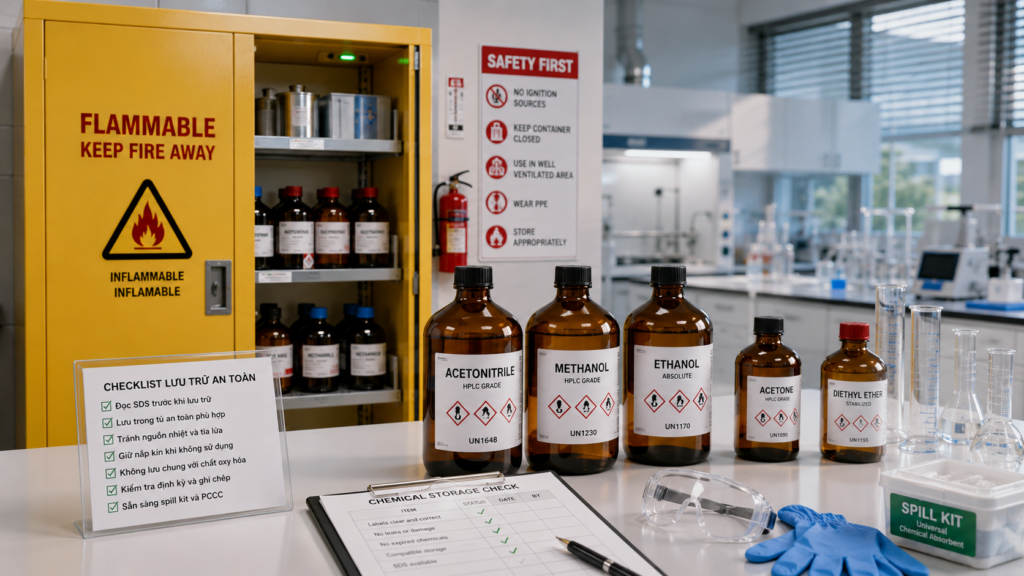
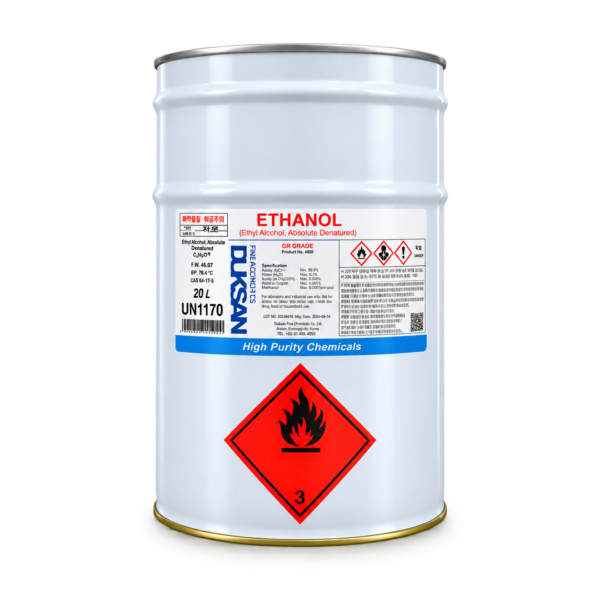
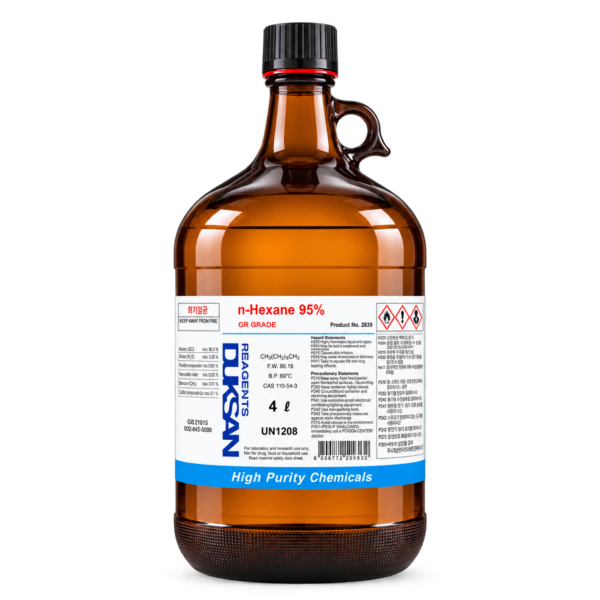
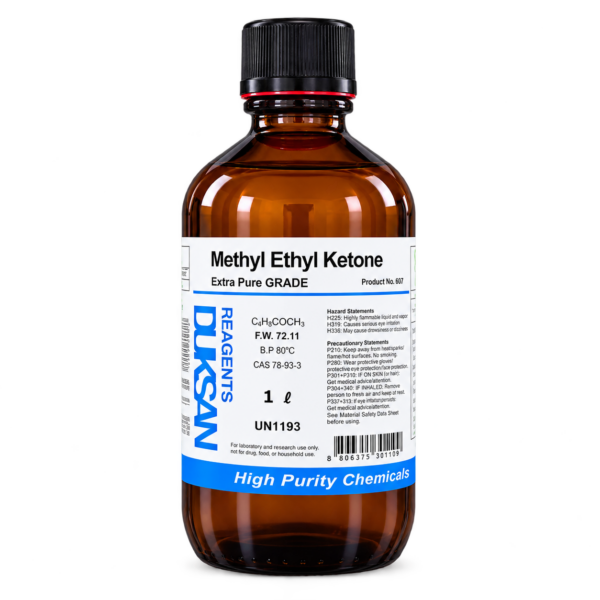
Organic solvents such as acetonitrile, methanol, ethanol, acetone, hexane and ether are in daily use in the laboratory, and they also sit in the higher-risk category. Solvent vapour can ignite, can cause exposure by inhalation, and can build pressure inside packaging if the material is stored incorrectly.
Identify the hazard before it enters the store
Before a chemical goes into storage, read the SDS to establish the flash point, the vapour hazard, the storage conditions, the incompatible materials and the spill-response instructions. Do not rely on the trade name, or on previous experience of using it.
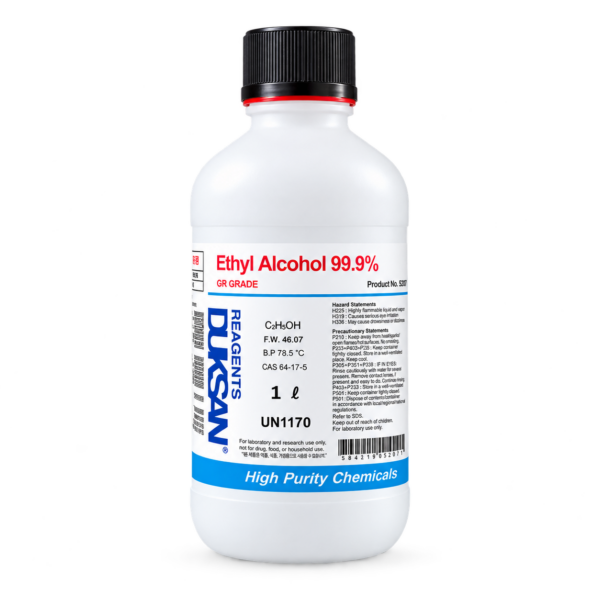
Storage principles
- Store in a safety cabinet suitable for flammable chemicals where this is required.
- Keep away from heat sources, sparks, unsuitable electrical outlets and direct sunlight.
- Keep caps closed when not in use, to limit evaporation and moisture uptake.
- Do not store alongside strong oxidisers or other incompatible materials.
- Keep only the quantity needed at the workstation; the remainder belongs in a suitable store or cabinet.
Handling in the laboratory
When decanting or preparing volatile solvents, work in a well-ventilated area, or in a fume hood if the SDS requires it. Avoid use near an open flame. Ether, and other solvents liable to form peroxides, call for stricter control of the opening date and the storage conditions.
Dealing with spills
Keep a suitable spill kit, absorbent material, waste containers and a notification procedure in place. Do not attempt to handle a major incident without training or without the correct PPE.
Periodic inspection checklist
- Labels remain legible and carry the correct information.
- No bottle is swollen, leaking or cracked, and no cap is damaged.
- No chemical is out of date or of unknown origin.
- Storage cabinets are not overloaded and hold no incompatible groups.
- SDSs are readily accessible to users.
A suggestion from QEMIX: when ordering flammable solvents, choose a pack size matched to your actual rate of use. It reduces the quantity held in stock and the risk that comes with long-term storage.
References
- OSHA Chemical Hazards: osha.gov/chemical-hazards
- OSHA Laboratory Safety: osha.gov/laboratories
Send the product name with its CAS Number, grade and pack size. QEMIX helps you look up the Specification and SDS, and supplies the COA for the exact Lot No. once the batch is confirmed.
See the brands QEMIX distributes