
Jul
News
How to read a chemical SDS: the 16 sections every laboratory should know
A guide to the 16 GHS sections of an SDS: hazard identification, storage, PPE, first aid, spillage and UN numbers — with a checklist before use.
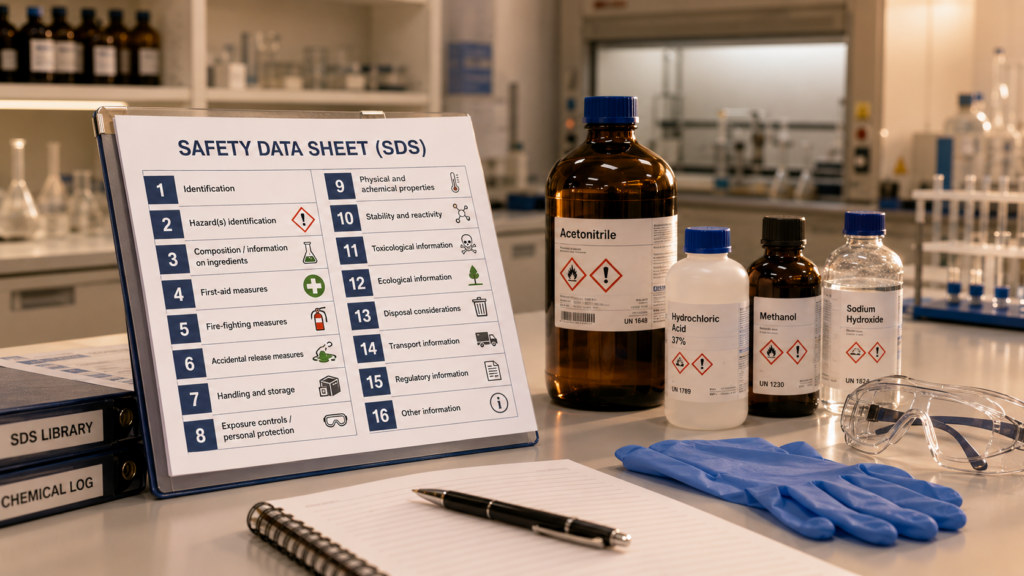
The SDS, or Safety Data Sheet, is the document that carries safety information for an individual chemical or mixture. For a laboratory, the SDS should be treated as mandatory reading before a chemical is received, stored, prepared or used in any analytical procedure.
Why read the SDS?
A single chemical may present several hazards at once: flammability, corrosivity, toxicity by inhalation, skin irritation, or harm to the environment. The SDS tells the user which PPE is required, under what conditions the material must be stored, how to respond to an incident and how to dispose of it.
The information that matters most
- Product identification: chemical name, product code, manufacturer, intended use.
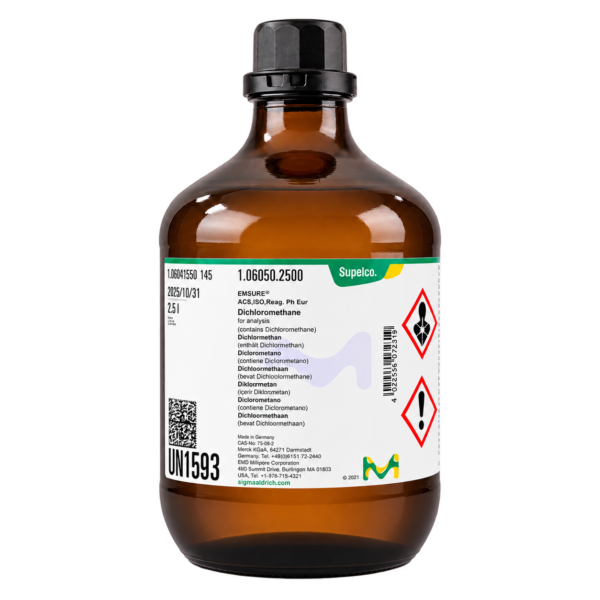
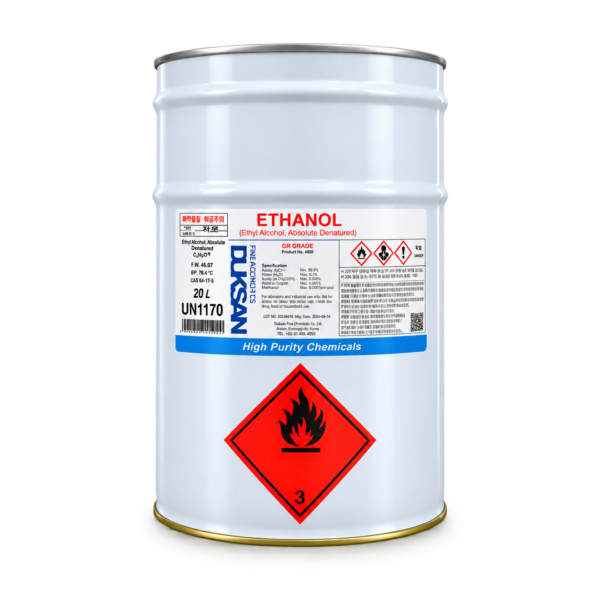
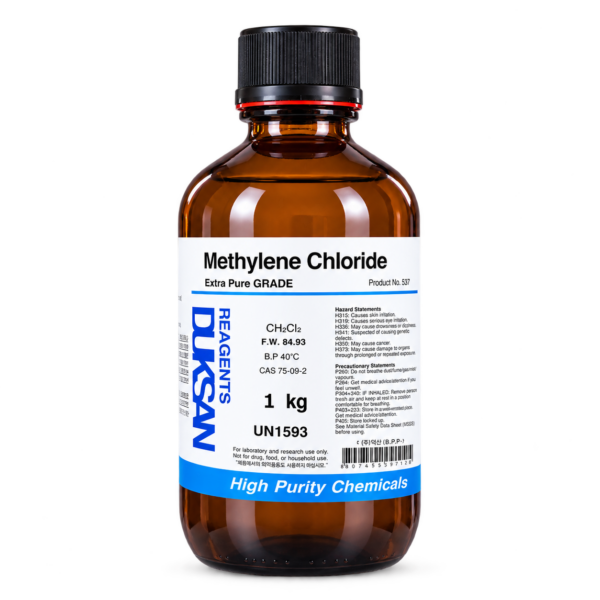
- Hazard identification: GHS pictograms, hazard statements, precautionary statements.
- Composition: CAS number, concentration, impurities or hazardous constituents.
- First aid: what to do after inhalation, skin contact, eye contact or ingestion.
- Fire-fighting and spillage: suitable extinguishing media, how to isolate the area, absorbent materials.
- Storage: temperature, ventilation, protection from light, distance from heat sources and incompatible materials.
- Exposure controls and PPE: gloves, eye protection, fume hood, suitable masks or respirators.
Applying the SDS in practice
The SDS is the baseline document, but real conditions in a laboratory vary. When working at larger scale, generating vapour, heating, or mixing several chemicals, carry out an additional risk assessment and follow your internal procedures.
A quick checklist before handling a chemical
- Hazard section and PPE requirements have been read.
- Storage conditions and incompatible materials have been checked.
- Suitable spill-response materials are ready.
- The location of the eyewash station, fire extinguisher and fume hood is known.
- Lot number, expiry date and packaging condition have been recorded.
QEMIX recommends: file SDSs by product code or CAS number so staff can find them quickly. When purchasing chemicals, ask for the complete SDS, and for the COA as well if the material will be used in quantitative analysis or in a method with traceability requirements.
References
- OSHA Laboratory Standard: 29 CFR 1910.1450
- PubChem LCSS: pubchem.ncbi.nlm.nih.gov/docs/lcss
Send the product name with its CAS Number, grade and pack size. QEMIX helps you look up the Specification and SDS, and supplies the COA for the exact Lot No. once the batch is confirmed.
See the brands QEMIX distributes