

Jul
News
Analytical sample preparation: cutting cross-contamination and pre-treatment error
Common sources of cross-contamination during pre-treatment, how to set up control samples, labelling for traceability and ways to reduce error.
Analytical results do not depend on the instrument alone. A great deal of error arises during sample preparation: weighing, extraction, dilution, filtration, transfer, storage and labelling. A sound pre-treatment procedure makes data more dependable and cuts the number of repeat runs.
Common sources of cross-contamination
- Sharing spatulas, pipette tips, syringes or containers.
- Glassware that has not been cleaned properly, or still holds solvent residue.
- No separation between high-concentration and low-concentration sample areas.
- Failing to change gloves when moving between sample groups.
- Blanks contaminated by the environment, by the solvent, or by consumables.
Setting up control samples
A laboratory should run blanks, replicates, spiked samples, check standards and QC samples as the method requires. These samples reveal background contamination, analyte loss during extraction, and error introduced by handling.
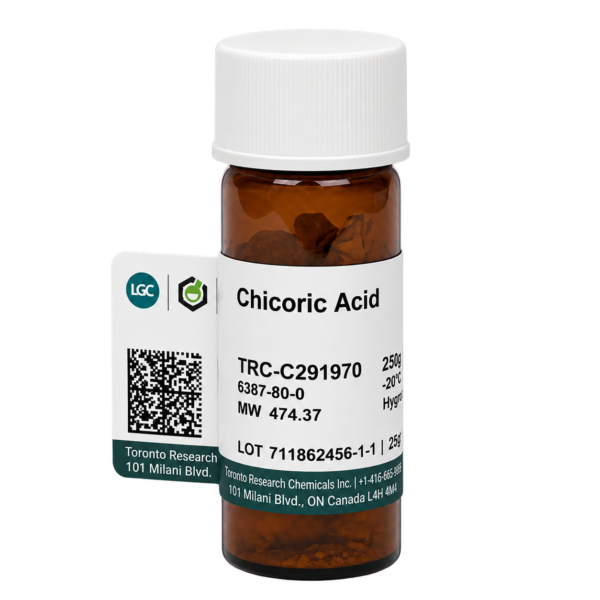
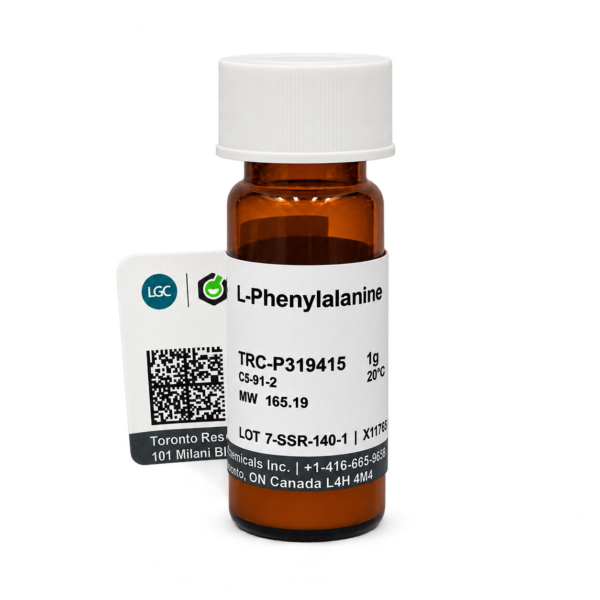
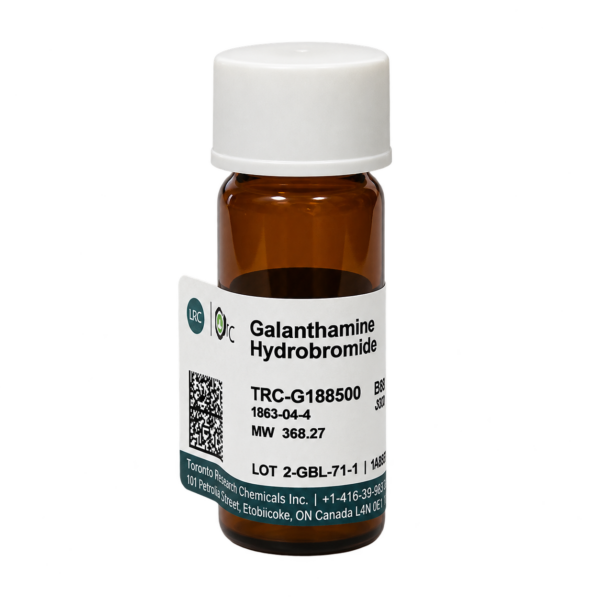
Labelling and traceability
Every sample should carry a unique code, the preparation date, the analyst, the solvent used, the dilution factor and the storage conditions. For samples that are light-sensitive, volatile or prone to degradation, state the maximum permitted time between preparation and analysis.
Practices that reduce error
- Write a clear SOP for each sample group.
- Use clean consumables appropriate to the analytical application.
- Run a blank after a high-concentration sample where carryover is a risk.
- Calibrate balances, micropipettes and volumetric glassware on a regular schedule.
- Keep sample containers open for as short a time as possible in areas with dust or solvent vapour.
When to review your pre-treatment
Review the procedure when recovery is low, when RSD is high, when blanks show an unexpected signal, when replicates diverge, or when results do not agree with the QC sample. Do not focus on the instrument alone: examine the whole chain of operations, from the original sample to the final vial.
QEMIX recommends: choosing the right solvent, filtration consumables, vials, standards and volumetric ware makes the sample-preparation step considerably more stable, particularly in testing laboratories handling high sample volumes.
References
- OSHA Laboratory Safety: osha.gov/laboratories
- NIST Standard Reference Materials: nist.gov/srm
Send the product name with its CAS Number, grade and pack size. QEMIX helps you look up the Specification and SDS, and supplies the COA for the exact Lot No. once the batch is confirmed.
See the brands QEMIX distributes