
Jul
News
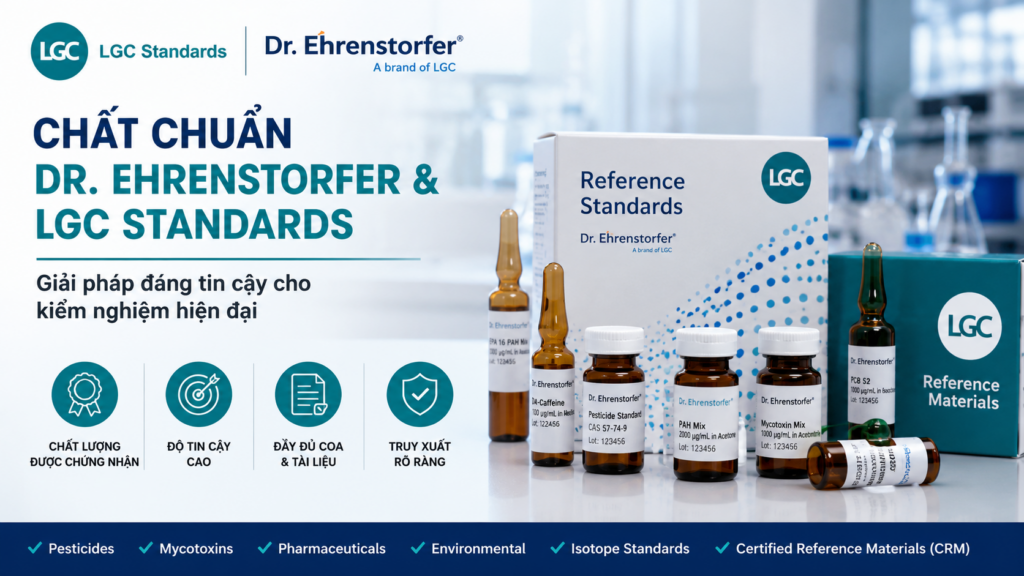
LGC Standards and Dr. Ehrenstorfer reference materials for food, environmental and pharmaceutical testing
The role of reference standards in testing, an introduction to LGC Standards and Dr. Ehrenstorfer, when a CRM is required and how to store them.
- LGC Standards
- United Kingdom · 1842
- Dr. Ehrenstorfer
- Germany · Augsburg
- Accreditation
- ISO 17034 · ISO/IEC 17025
- Codes at QEMIX
- 11,086
- Distribution
- QEMIX – Authorized Distributor
The role of reference standards in the laboratory
Across food, environmental, pharmaceutical and chemical testing, reference standards are central to the accuracy, reliability and traceability of analytical results. Choosing the right standard affects not only data quality but also a laboratory’s ability to meet the requirements of ISO/IEC 17025, GMP, GLP and other international standards.
Among the reference-standard manufacturers in widest use worldwide, LGC Standards and Dr. Ehrenstorfer are two brands that many laboratories rely on.
What is LGC Standards?
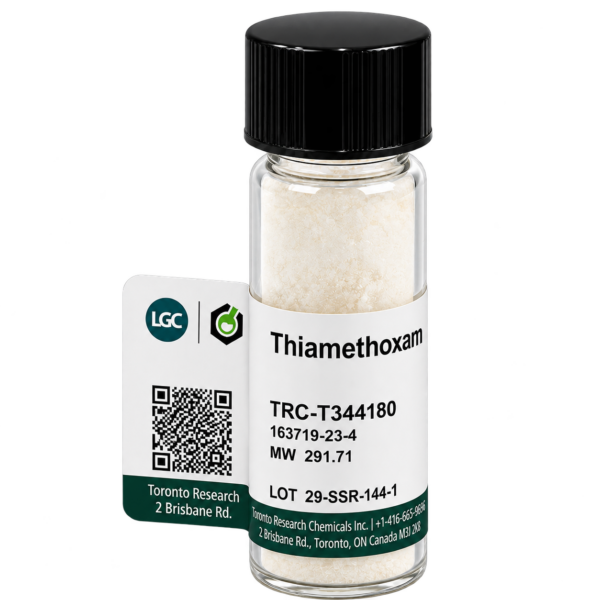
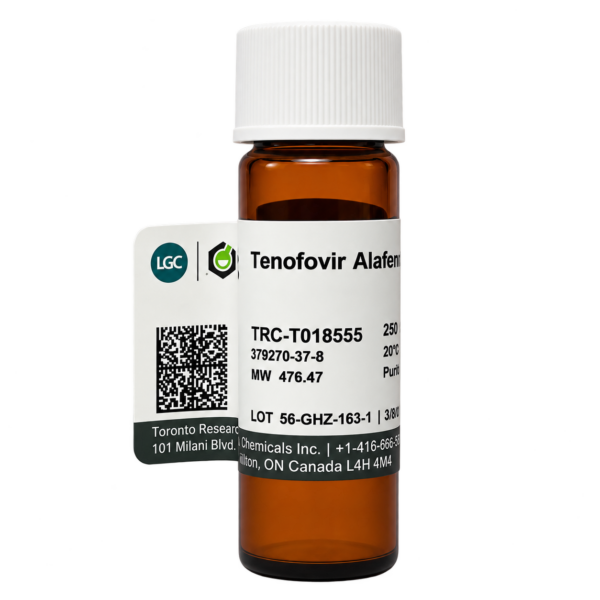
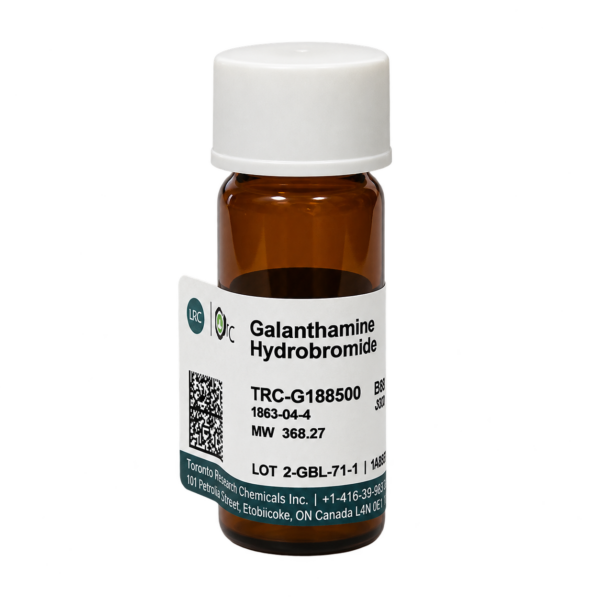
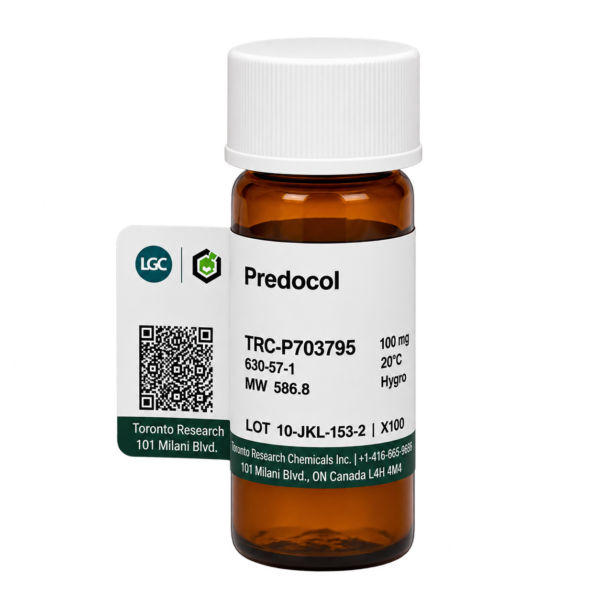
LGC Standards is one of the world’s leading suppliers of reference standards, with a broad catalogue serving many fields of analysis. Notable product groups include:
- Pesticide reference standards
- Pharmaceutical reference standards
- Environmental reference standards
- Food reference standards
- PFAS reference standards
- Heavy-metal reference standards
- Isotope-labelled standards
- Certified reference materials (CRMs)
LGC products are used widely in research, testing and regulatory laboratories around the world.
Dr. Ehrenstorfer — specialists in pesticide reference standards
Dr. Ehrenstorfer is recognised as one of the leading brands in pesticide and environmental reference standards. Its catalogue covers:
- Pesticide standards
- Veterinary drug standards
- Environmental standards
- Mycotoxin standards
- Food authenticity standards
- Multi-component mix standards
Backed by an extensive catalogue and complete certification data, Dr. Ehrenstorfer products are used widely in export food testing, pesticide-residue monitoring and environmental analysis.
When should a CRM be used?
A certified reference material is typically used for:
- Method validation
- Internal quality control
- Assessment of accuracy
- Establishing traceability of measurement results
Using an appropriate CRM raises the reliability of analytical data and helps satisfy the requirements of laboratory accreditation programmes.
Storing reference standards
To maintain the quality and stability of a reference standard:
- Store at the temperature the manufacturer recommends.
- Protect light-sensitive compounds from direct light.
- Limit unnecessary opening of the container.
- Monitor the expiry date and the storage condition.
- Use clean implements to avoid cross-contamination.
Choosing a reliable supplier
When selecting reference standards, a laboratory should give preference to products with complete certification, demonstrable traceability, a clear certificate of analysis, technical support from the supplier, and a catalogue that matches its field of analysis.
LGC Standards and Dr. Ehrenstorfer are among the brands most often chosen by laboratories, thanks to consistent quality and a catalogue broad enough to serve modern testing requirements.
Conclusion
Reference standards are foundational to the quality of analytical results. Selecting and using the right standard from a reputable brand such as LGC Standards or Dr. Ehrenstorfer raises the reliability of a laboratory’s data, supports its quality-management requirements, and underpins its research, testing and production activities.
Send the standard name with its CAS Number, the sample matrix and the concentration you need. QEMIX helps you look up the COA by lot and confirms the expiry date before you order.
See LGC reference standards