

Jul
News
CRMs and reference standards: how to choose, store and use them correctly
What a CRM is and how it differs from a working standard; how to select by matrix and uncertainty, how to store and use it, and common mistakes.
In testing and quantitative analysis, a CRM or certified reference standard plays a central role in building calibration curves, checking trueness, validating methods and controlling the quality of results. Choosing the wrong standard can bias a result even when the instrument and the technique are both sound.
What is a CRM?
A CRM is a reference material whose characteristic values are certified, accompanied by a stated measurement uncertainty and by metrological traceability. For a laboratory, a CRM gives analytical results a far clearer basis for comparison than an ordinary chemical can.
Criteria for selecting a CRM
- Matches the analyte: correct active substance, isomer, salt form or hydrate form if the method requires it.
- Matches the matrix: single-component standard, mixed standard, or a standard in a matrix close to the real sample.
- Appropriate concentration: it should fall within the working range of the method, avoiding excessive serial dilution.
- Complete COA: certified value, uncertainty, lot number, expiry date and storage conditions.
- Traceability: prefer reputable manufacturers with clear documentation that satisfies your quality system.
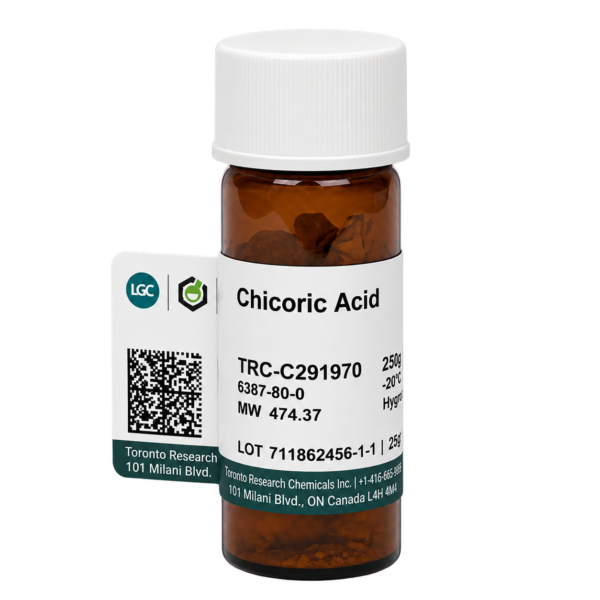
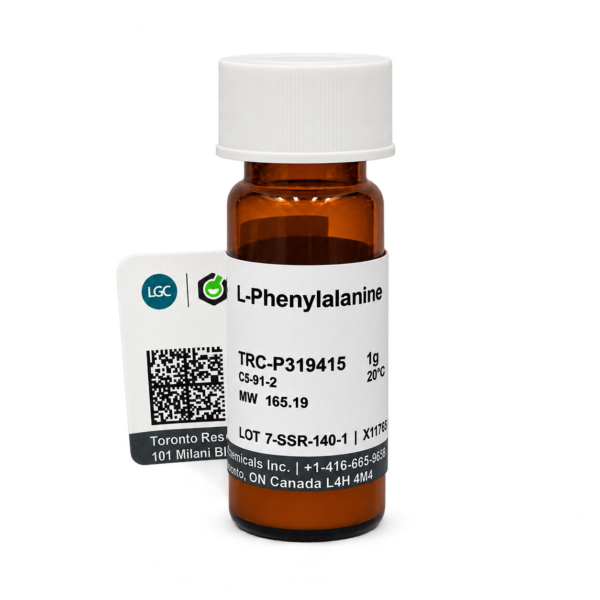
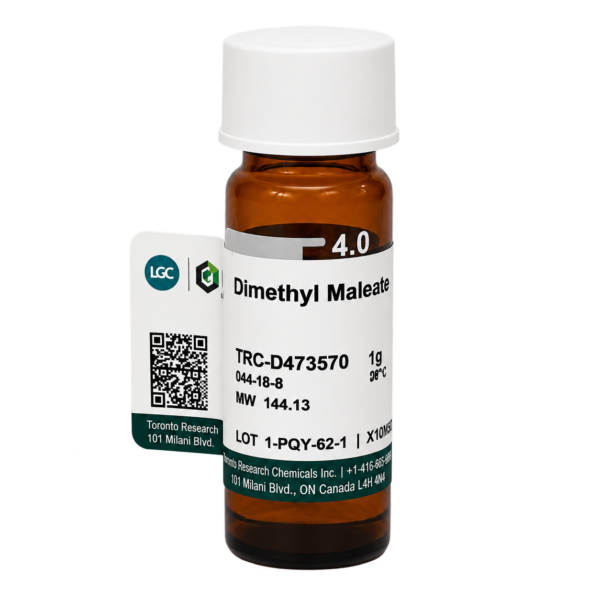
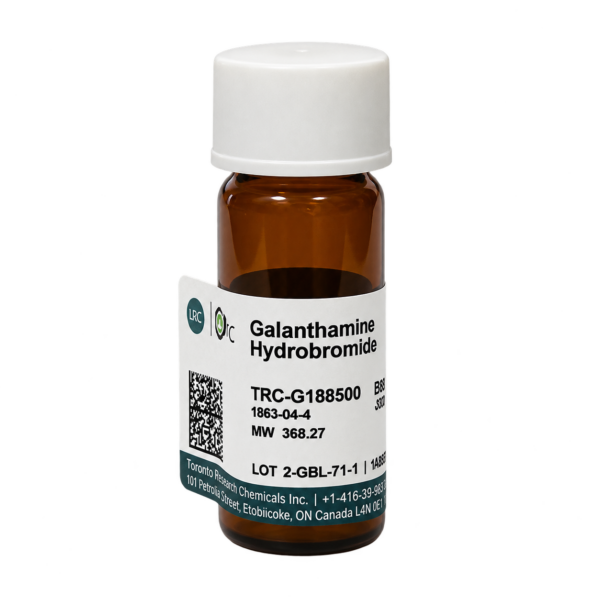
Storage and use
Many CRMs are sensitive to light, temperature, moisture or evaporation. Once opened, record the opening date, the user, and the in-use shelf life if the manufacturer specifies one. Never introduce an implement that has touched a sample directly into the original standard vial, as this risks cross-contamination.
Common mistakes
- Using a standard past its expiry date, or one with no recorded opening date.
- Preparing a standard in an unsuitable solvent, causing precipitation or degradation.
- Storing at room temperature when the COA requires 2–8 °C or deep-frozen conditions.
- Failing to account for purity, salt form or moisture content when converting to concentration.
A suggestion from QEMIX: when ordering a CRM, supply the substance name, CAS number, desired concentration, matrix, solvent, pack size and COA requirements. The clearer the information, the more accurate the selection and the less time spent on method verification.
References
- NIST Standard Reference Materials: nist.gov/srm
- PubChem LCSS: pubchem.ncbi.nlm.nih.gov/docs/lcss
Send the product name with its CAS Number, grade and pack size. QEMIX helps you look up the Specification and SDS, and supplies the COA for the exact Lot No. once the batch is confirmed.
See the brands QEMIX distributes