

Jul
News
Water for HPLC: why water quality changes your analytical results
The risks of unsuitable water in HPLC, how to choose water by application (UV, LC-MS), how to look after aqueous mobile phases and best practice.
In most reversed-phase HPLC methods, water is the principal component of the mobile phase. It is also one of the most common sources of error if its quality is not controlled and if it is not filtered, degassed and stored correctly.
What goes wrong with unsuitable water
- Baseline noise: organic or ionic impurities can raise the background signal.
- Spurious peaks: UV-absorbing impurities, or cleaning residues left in the reservoir, can produce unwanted peaks.
- Rising backpressure: fine particulates or microbial growth can block the frit, the guard column or the analytical column.
- Poor repeatability: water of inconsistent composition shifts retention times and signal response.
Matching the water to the application
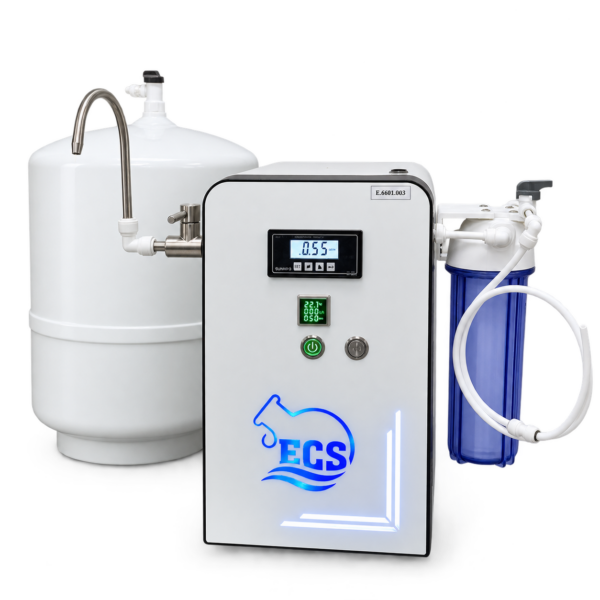
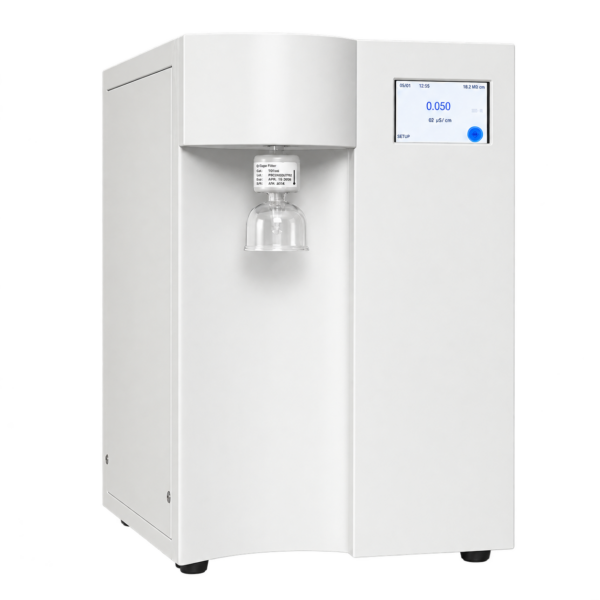
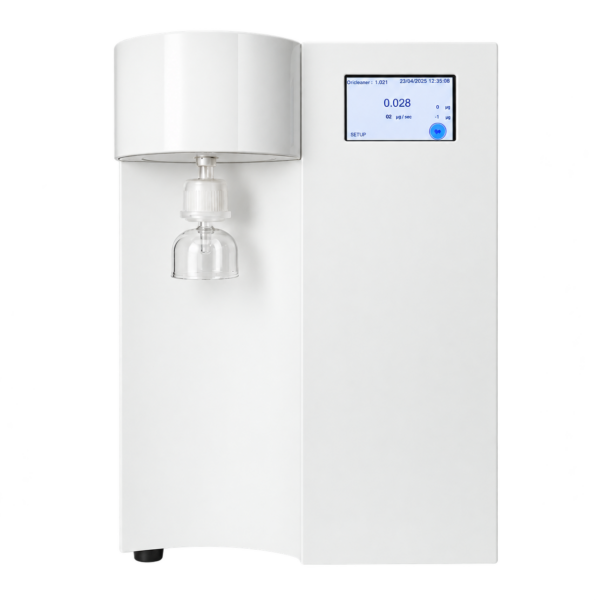
For HPLC-UV, use water suitable for chromatographic analysis, of consistent purity and low in UV-absorbing impurities. For LC-MS, ionic impurities, additives and anything that interferes with the ion source need tighter control still.
Looking after the aqueous reservoir
Aqueous mobile phase should not stand on the system for long, particularly when it contains buffer or other components that support microbial growth. Reservoirs need cleaning on a regular schedule, and a reservoir should not be shared with solvents or solutions liable to leave residue.
Recommended practice
- Use a clean bottle with a suitable cap and a cleaned solvent inlet line.
- Filter the mobile phase through an appropriate membrane if the method requires it.
- Degas to limit air bubbles that disturb the pump and the detector.
- Record the preparation date, the composition, the pH where relevant, and the person who prepared it.
- Do not use water that has been standing, or that shows cloudiness, sediment or an unusual odour.
QEMIX recommends: when an HPLC run shows ghost peaks or an unstable baseline, check the water, the reservoir, the filter membrane and the solvent before you suspect the column or the detector.
References
- PubChem LCSS: pubchem.ncbi.nlm.nih.gov/docs/lcss
- OSHA Laboratory Safety: osha.gov/laboratories
Send the product name with its CAS Number, grade and pack size. QEMIX helps you look up the Specification and SDS, and supplies the COA for the exact Lot No. once the batch is confirmed.
See the brands QEMIX distributes