

Jul
News
Laboratory chemical inventory: FIFO, FEFO and clear labelling
FIFO versus FEFO, what a secondary label must show, how to zone a chemical store and how to run periodic stock checks in a laboratory setting.
A laboratory chemical store usually holds many different products with different storage requirements. Without good control, a laboratory easily ends up with duplicate purchases, chemicals used in error, expired stock, lost lot traceability, or incompatible materials stored together.
How do FIFO and FEFO differ?
FIFO means first in, first out. It suits consumables and chemicals with stable shelf lives. FEFO means first expired, first out, and is the better fit for chemicals, CRMs, standard solutions and any material with a defined expiry date.
What the secondary label should carry
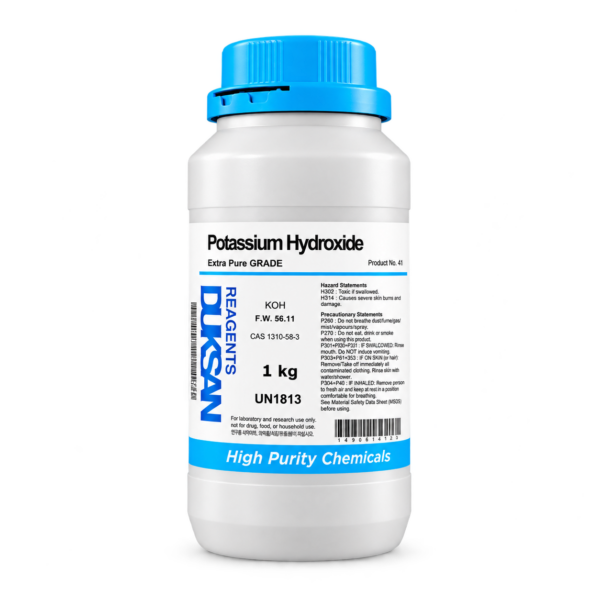
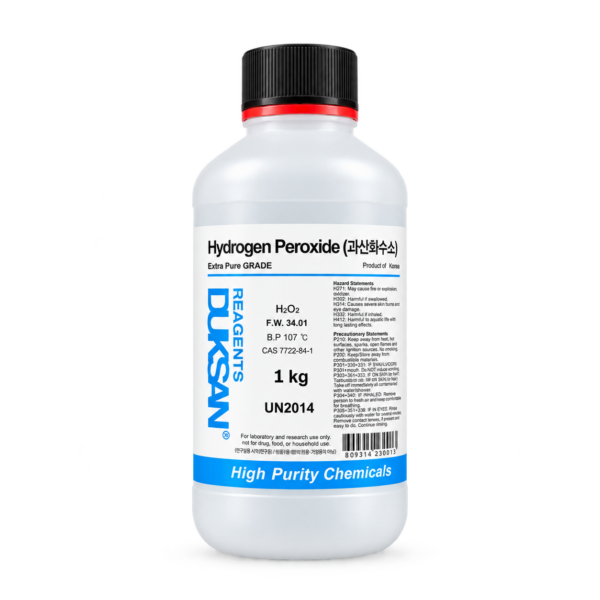
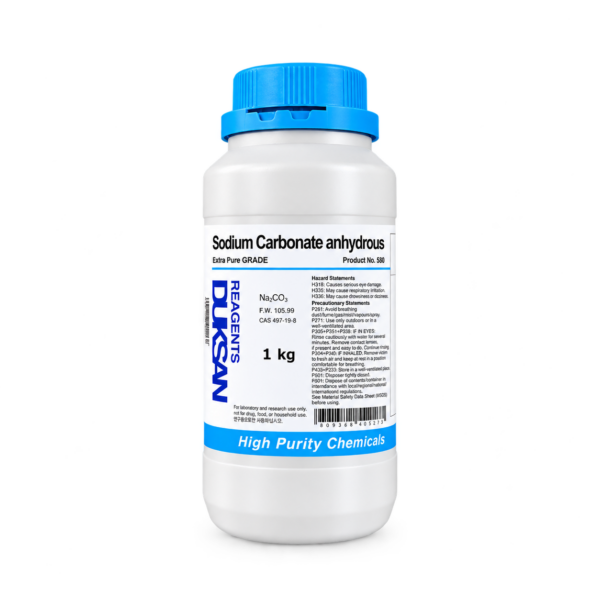
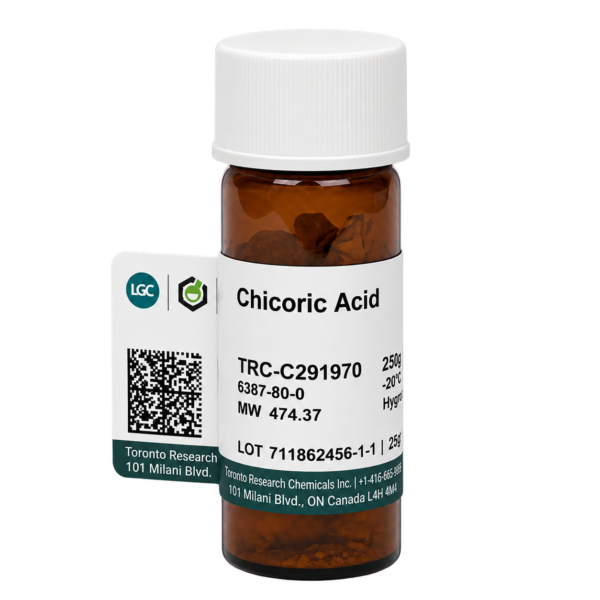
- Chemical name and internal code.
- CAS number, where available.
- Concentration or purity grade.
- Lot number, receipt date, expiry date and opening date.
- Storage conditions: temperature, protection from light, flammables cabinet, acid or base cabinet.
- Principal hazard warnings and the PPE required.
Zoning the store
Chemicals should not be arranged alphabetically alone if that risks storing incompatible materials side by side. Zone the store by hazard class instead: flammables, acids, bases, oxidisers, toxics, corrosives, organic solvents, refrigerated chemicals and reference standards.
Periodic stocktaking
Check high-risk groups and short-dated items at least monthly. For CRMs and standard solutions, check the opening date, the number of times used, the remaining volume and the actual storage conditions.
A simple workflow
- Receive the chemical; inspect the packaging and the accompanying documents.
- Assign an internal code and apply the secondary label.
- Enter the details in the inventory file or stock-management software.
- Store in the correct zone, following the SDS.
- Issue for use on a FEFO or FIFO basis.
- Record chemicals that are expired, damaged or due for disposal.
A suggestion from QEMIX: a good inventory file should carry columns for product code, chemical name, CAS number, grade, pack size, lot number, receipt date, expiry date, storage location and usage status.
References
- OSHA Laboratory Safety: osha.gov/laboratories
- OSHA Laboratory Standard: 29 CFR 1910.1450
Send the product name with its CAS Number, grade and pack size. QEMIX helps you look up the Specification and SDS, and supplies the COA for the exact Lot No. once the batch is confirmed.
See the brands QEMIX distributes